
Hair loss :
Hair loss can affect just your scalp or your entire body. It’s normal to lose between 50 to 100 scalp hairs a day. New hair normally replaces the lost hair, but this doesn’t always happen.
Some types of hair loss are temporary, and others are permanent. It can be the result of heredity, hormonal changes, medical conditions, infections, nutritional deficiency, stress, medications, inflammatory skin diseases, congenital or acquired hair shaft disorders, certain hairstyles and treatments.
The common symptoms of hair loss may include:
Gradual thinning on top of head: This is the most common type of hair loss, affecting both men and women as they age. In men, hair often begins to recede from the forehead in a line that resembles the letter M. Women typically retain the hairline on the forehead but have a broadening of the part in their hair.
Circular or patchy bald spots: Some people experience smooth, coin-sized bald spots. This type of hair loss usually affects just the scalp, but it sometimes also occurs in beards eyebrows or body
Patches of scaling that spread over the scalp: This is a sign of ringworm. It may be accompanied by broken hair, redness, swelling and, at times, oozing.
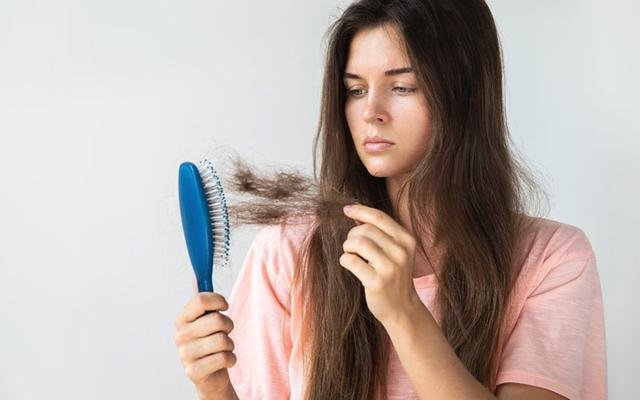
Sudden loosening of hair: A physical or emotional shock can cause hair to loosen. Handfuls of hair may come out when combing or washing your hair or even after gentle tugging. This type of hair loss usually causes overall hair thinning and not bald patches.